- Complete Design Sequence in Oil & Gas Projects: From FEED to IFC Drawings Explained
- IFC Drawings Approval Process in Oil and Gas Projects – Step-by-Step Guide
- How Design and Construction Are Linked in Oil & Gas EPC Projects
- Understanding the Oil and Gas Project Design Stages and IFC Workflow
- Detailed Engineering to Construction: The IFC Drawing Approval Journey
- Oil & Gas Design Process Explained: From Concept to Construction Approval
- Top Design Deliverables You Need Before Starting Construction in Oil & Gas Projects
- IFC Drawings and Design Approval Sequence for Successful EPC Projects
- Design–Construction Integration in Oil and Gas Projects: A Complete Workflow Guide
- Step-by-Step Design Process and IFC Drawing Flow for Oil & Gas Construction
Description:
In every oil and gas project, the success of construction depends heavily on how well the design process is managed. A well-coordinated design not only saves time and cost but also ensures that site execution runs without technical clashes or rework.
This article explains the complete sequence of the design process, how it transitions into construction activities, and what the IFC (Issued for Construction) approval process involves — all in a professional, structured way used in real EPC projects.
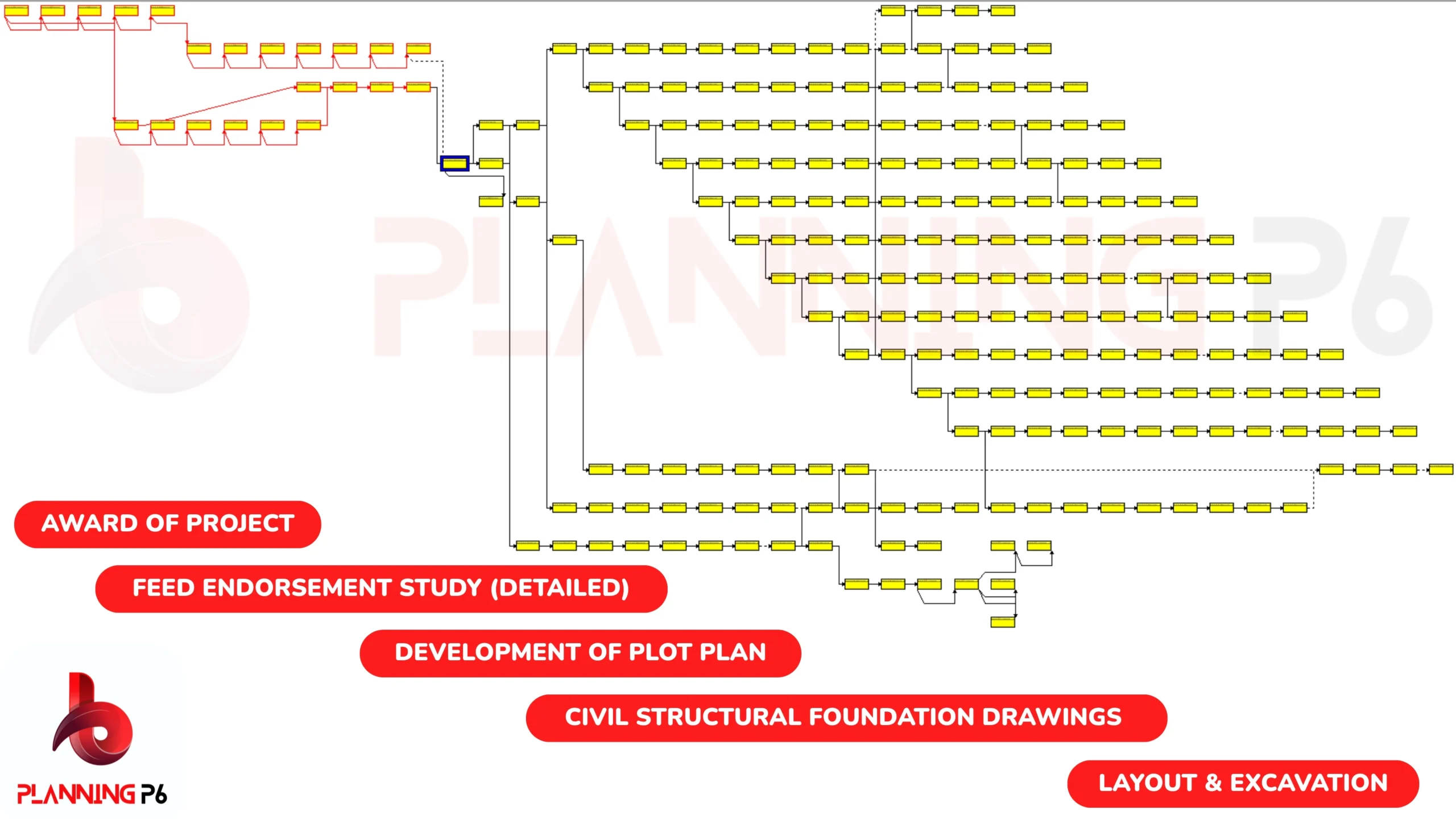
1- The Complete Design Process in Oil & Gas Projects:
The design in an oil and gas project doesn’t happen all at once — it follows a defined path, gradually increasing in detail and accuracy. Here’s how it typically flows:
Stage 1: Conceptual Design (Feasibility Phase)
- Focus: Define the project’s purpose, process concept, and scope.
- Deliverables:
- Process Flow Diagrams (PFDs)
- Overall plot plans
- Design basis and feasibility reports
- Purpose: Establish whether the project is technically and economically viable.
Stage 2: FEED – Front-End Engineering Design
- Focus: Develop technical design packages and define project requirements in detail.
- Deliverables:
- Piping & Instrumentation Diagrams (P&IDs)
- Equipment data sheets
- Process design calculations
- Preliminary GA (General Arrangement) drawings
- Design criteria for all disciplines
- Purpose: To create a solid technical foundation for detailed engineering and procurement.
Stage 3: Detailed Engineering Design
- Focus: Convert FEED deliverables into construction-ready documents.
- Deliverables:
- Civil and structural drawings (foundations, buildings, pipe racks)
- Piping isometrics and GA layouts
- Electrical layouts, cable routing, and single-line diagrams
- Instrumentation hook-ups and loop drawings
- Vendor drawings and datasheets
- Purpose: Produce all Issued for Construction (IFC) documents that guide field execution.
2- Understanding the Drawing Review and Approval (Shortlisting) Process:
Before a drawing reaches the IFC stage, it undergoes multiple reviews, commonly referred to as the shortlisting or approval process.
Here’s the typical flow:
- Issued for Review (IFR): The engineering team releases the first version internally or to the client for technical review.
- Comments and Revisions: The client, consultant, or project management team reviews the drawing and provides comments — related to design accuracy, constructability, or compliance.
- Issued for Approval (IFA): After incorporating comments, drawings are reissued for final review and sign-off.
- Issued for Construction (IFC): Once fully approved, drawings are stamped as IFC. (These are the only drawings that can legally be used on-site for construction.)
- As-Built Stage: After construction completion, any site modifications are marked, and final As-Built Drawings are prepared for record and handover.
3- Linking Design with Construction Activities:
A key success factor in oil and gas EPC projects is design–construction integration. Construction teams depend on design deliverables to plan, mobilize, and execute their work in sequence.
Here’s how each design stage aligns with construction activities:
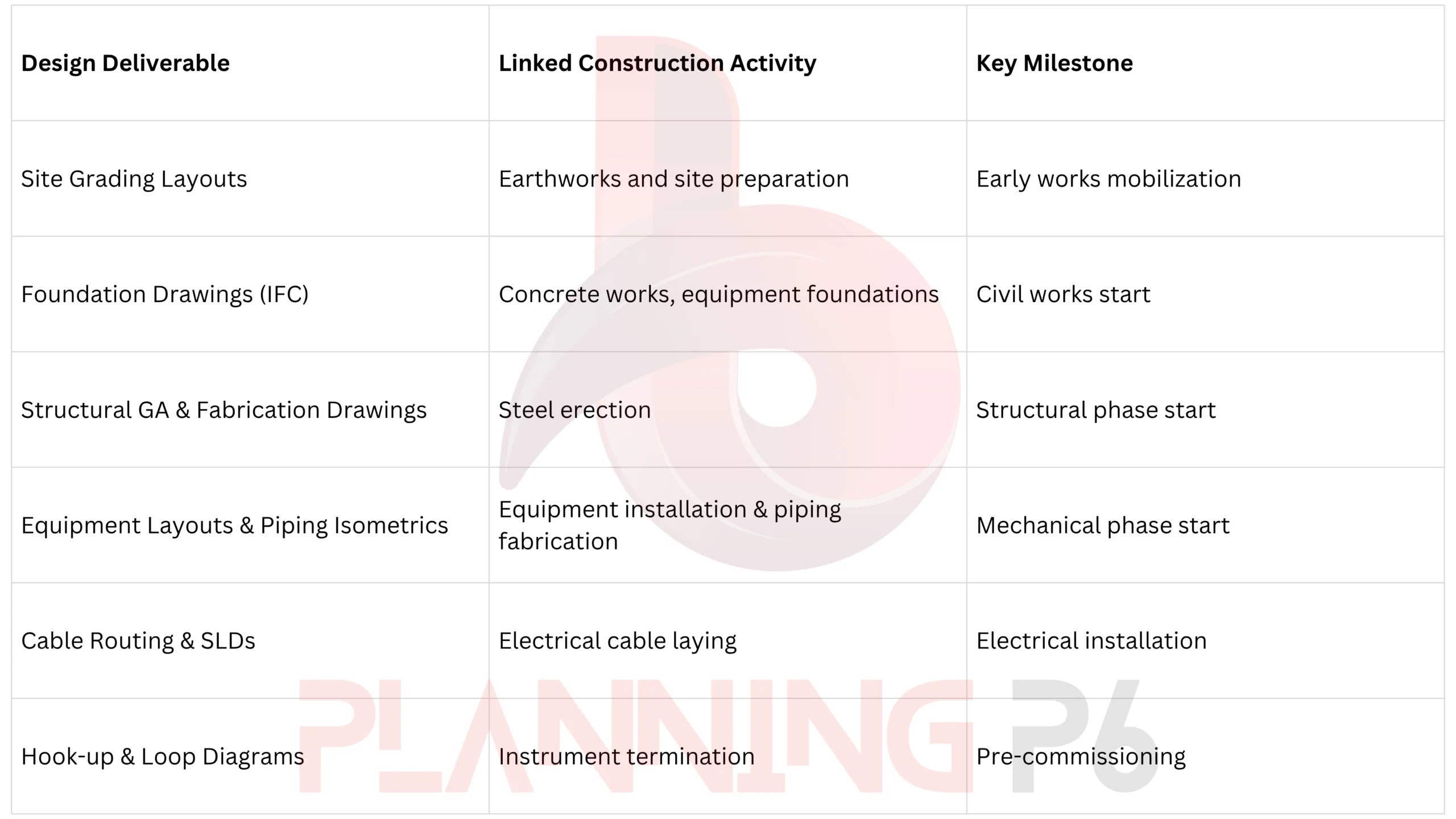
The construction schedule in Primavera P6 should be directly linked with design deliverables. Each major construction activity should have its predecessor as drawing approval to ensure logic-based sequencing.
4- Importance of IFC Drawings Before Construction:
Starting construction without approved IFC drawings can cause serious project risks — including rework, cost overruns, and non-compliance with quality standards.
Why IFC Drawings Are Important:
- Ensure technical accuracy and design integrity.
- Reflect the latest approved data after all reviews.
- Legally authorize work at the site.
- Reduce change orders and field engineering issues.
- Maintain alignment between design, procurement, and construction teams.
Every IFC drawing carries:
- Title block with drawing number and revision history
- IFC stamp and approval signatures
- List of references and linked documents
5- Best Practices for Coordinating Design and Construction:
- Maintain a Design Deliverable Register — showing drawing status (IFR, IFA, IFC) with dates.
- Link drawing approvals to construction start milestones in Primavera P6.
- Conduct weekly design coordination meetings between engineering and construction teams.
- Implement a Document Control System (DCS) to track revisions.
- Never issue a drawing for site use unless clearly marked Issued for Construction.
Conclusion:
The design and construction phases in oil and gas projects are not separate, they’re deeply interconnected.
A project’s success relies on how effectively design deliverables are managed, approved, and handed over to construction teams. The IFC approval process ensures that the right information is used at the right time, minimizing rework and maximizing efficiency.
Understanding the sequence of design, the shortlisting process, and the link between design and construction is what transforms a project from planning to performance safely, efficiently, and successfully.
PLANNING P6 TUTORIALS
Primavera P6 Advanced Filtering, Grouping, & Sorting in Resource Assignment & Management Techniques

How to do Advanced Reporting, Effective Analysis & Comparison in Primavera P6 for Multiple Projects
How to Review Primavera P6 Schedule | Schedule Review Checklist | Best Practices for Schedule Review

How Much Total Float Is Allowed in Project Primavera P6 | How to Reduce Total Float in Project #P6

How to Identify and Analyze Float Paths in primavera P6 | Filter, Group and Sort Float Paths in P6 |

PLAYLISTS